
Secret Corners of London
Secret Corners of London
Secret Corners of London: Exploring the Hidden Gems of the Capital
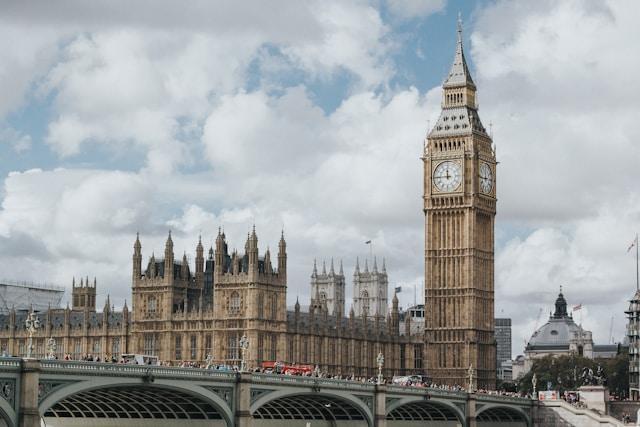
London is a city of contrasts, where history and modernity coexist in perfect harmony. While millions flock to iconic landmarks like Buckingham Palace, the Tower of London, and Big Ben, the city harbors countless hidden spots that remain off the beaten path. These "Secret Corners of London" tell fascinating stories, offering glimpses into the city's past, unique cultural treasures, and tranquil escapes from the bustling crowds. In this guide, we will explore some of London's best-kept secrets that reveal a different side of this dynamic metropolis.
Little Venice: A Serene Escape
Tucked away in West London, Little Venice is one of the most charming "Secret Corners of London." This picturesque area, where the Grand Union and Regent’s Canals meet, boasts tree-lined waterways, narrowboats, and quaint cafes. Visitors can take a peaceful boat ride towards Camden Market or simply stroll along the towpath, discovering hidden waterside pubs and charming bookshops.
The Seven Noses of Soho
In the heart of London’s bustling Soho district, an unusual urban legend unfolds. Artist Rick Buckley secretly installed sculpted noses across the city in response to CCTV surveillance expansion in the 1990s. Today, seven of these noses remain scattered around Soho. Some say that finding all seven grants unlimited wealth—though most simply enjoy the quirky treasure hunt through this vibrant neighborhood.
Eel Pie Island: London’s Bohemian Retreat
One of the most unusual "Secret Corners of London" is Eel Pie Island, a secluded, bohemian enclave on the Thames. Once home to a legendary music venue that hosted The Rolling Stones and The Who, the island now serves as a private artists’ commune. While access is restricted, occasional open days allow visitors to explore its artistic charm and unique history.
St. Dunstan in the East: A Ruined Beauty
Nestled between Tower Hill and Monument, the hauntingly beautiful St. Dunstan in the East offers a quiet refuge from the city’s chaos. This bombed-out medieval church, partially destroyed during World War II, has been transformed into a public garden where nature intertwines with Gothic ruins. Ivy-covered walls and hidden benches make it a magical spot to reflect and unwind.
The Hidden Equestrian Statue at Horse Guards Parade
Many visitors to Horse Guards Parade admire the grand ceremonial guards but overlook a peculiar detail—an equestrian statue tucked away under an arch. The statue of the Duke of Wellington is positioned in such an obscure spot that most people never notice it, making it one of the least-known monuments in the city.
The Victorian Pet Cemetery in Hyde Park
Few know that within the heart of Hyde Park lies a tiny, hidden pet cemetery, dating back to 1881. Nestled behind the Victoria Gate Lodge, this eerie yet touching site contains over 300 tiny gravestones commemorating beloved pets of London’s aristocracy. Though not open to the public, peering through the fence offers a poignant glimpse into Victorian sentimentality.
The Passageway of Neal’s Yard
A colorful oasis in the heart of Covent Garden, Neal’s Yard is a tiny hidden courtyard bursting with vibrant facades, quirky independent shops, and organic eateries. Tucked away between Monmouth Street and Shorts Gardens, this micro-village is a perfect escape from the tourist-laden streets surrounding it. Finding it for the first time always feels like stumbling upon a hidden treasure.
The Secret Platform at Charing Cross
Beneath Charing Cross Station lies an abandoned underground platform, hidden from public view. Originally part of the old Jubilee Line extension, this ghostly tunnel has been used for film sets and urban exploration. Occasionally, TfL opens it for guided tours, offering an eerie yet fascinating look at one of London’s lost transport corridors.
The Whispering Gallery of St. Paul’s Cathedral
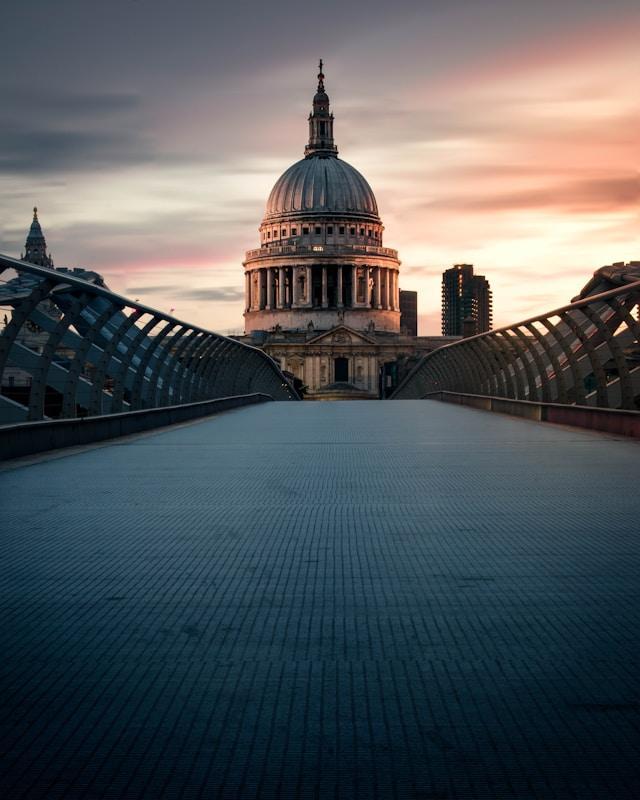
Most visitors to St. Paul’s Cathedral admire its grand dome but miss one of its most fascinating secrets—the Whispering Gallery. Located 30 meters above the cathedral floor, this circular walkway has an acoustic quirk: a whisper against the wall can be heard perfectly on the opposite side. A visit here turns into a fun experiment in sound physics and history.
The Little Library of St. Martin-in-the-Fields
St. Martin-in-the-Fields is best known for its concerts and social outreach, but few realize it houses a hidden treasure—a tiny underground library. Tucked within its crypt, this book-filled retreat offers a peaceful escape for those seeking a quiet moment in the heart of London’s chaos.
The Da Vinci Code Spiral Staircase
Inside the Temple Church, made famous by The Da Vinci Code, is an intricately designed medieval spiral staircase that few notice. This hidden architectural marvel once led to the knights' dormitory and remains an overlooked detail in one of London's most mysterious churches.
The Magic Circle Museum
For lovers of illusion, the Magic Circle Museum near Euston is one of the most enchanting "Secret Corners of London." This hidden gem is dedicated to the history of magic, featuring artifacts from legendary magicians like Houdini and an array of mind-bending tricks. Visits are by appointment only, adding to its exclusivity.
The Leighton House Museum
Tucked away in Kensington, the Leighton House Museum was once the home of Victorian artist Frederic Leighton. The grand, Moorish-style interiors, opulent golden domes, and striking blue tiles make it an awe-inspiring space that remains relatively undiscovered by mainstream tourists.
The Timepiece at King’s Cross
In a busy corner of King’s Cross stands a mesmerizing kinetic sculpture known as the Meeting Place. This massive timepiece subtly shifts throughout the day, revealing intricate hidden details that make it a true secret for observant passersby.
The Hidden Roman Amphitheatre
Beneath Guildhall Art Gallery lies one of the most unexpected "Secret Corners of London"—the remains of an ancient Roman amphitheater. Discovered in the 1980s, this fascinating site once hosted gladiator battles and public spectacles. The ruins are open for public viewing, offering a rare glimpse into London’s Roman past.